
The place of origin [German: Heimatort] is one of the most uniquely, quintessentially Swiss concepts. Between 1300 and 1500, it evolved slowly as the place where you were legally considered a citizen. If you fell on hard times that place was financially responsible for you, too.
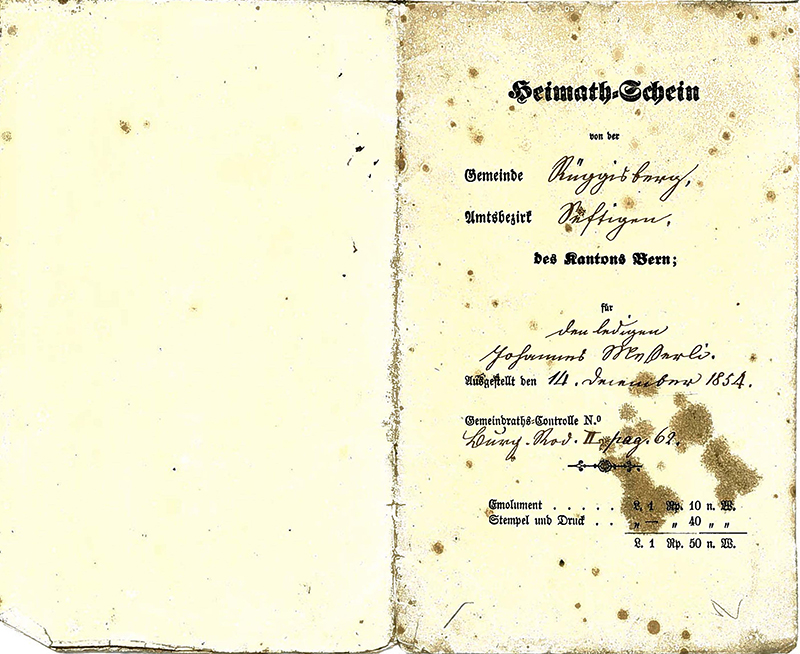
Your place of origin has nothing to do with where you were born. Although, technically, I think where you were born is your personal place of origin. Interestingly enough, your birthplace doesn’t show up anywhere in your official Swiss documents. But in a broader sense, your place of origin is where your family, sometime back in the medieval times, came from and belonged to.
Who’d have thought, that archaic, charming and somewhat confusing system is still around, and in use today.
Established, Earned, Evolved
Not everyone can trace their genealogical roots back to 1581 in Switzerland, but my husband’s mother’s side can. At that time these people were simply established as Swiss as a result of the historical events at that time. His father’s side arrived somewhat later after WWI, in 1924 and earned his Swiss place of origin and Swiss passport. And me, I skipped into Switzerland on the evolved cusp of the modern transition when I married in 1980. Everything, including passport and place of origin were handed to me.
The Place of Origin is Established
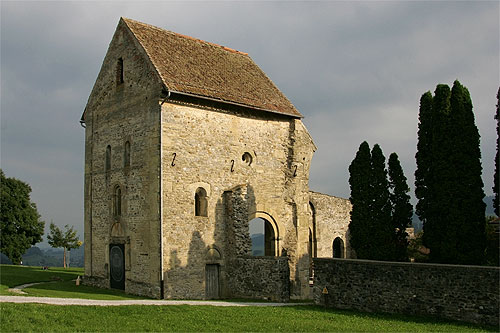
Swiss society is historically patriarchal. That means names, status and place of origin follow the father. My husband’s mother’s line place of origin is Rüeggisberg and has a fascinating matrilineal story. This is the side stretching back to 1581. And, although it feels like the dark ages or at least the medieval times to us, it wasn’t.
These were official citizens of the parish. Protestants were the first to keep records of birth, death and marriage of their members. The idea was that ‘every life is worth documenting’, regardless of their status. So, these roots go back to the very first ink-stroke of these formal records. This was the dawn of the modern Swiss administrative record-keeping system, minus computers of course.
Rüeggisberg 1532
But people will be people and not everyone welcomes change with open arms. And it seems that the Reformation catalyzed at least one person to do something that was consequential for his life. In 1532 a basket-maker from a neighboring town set fire to the church and rectory in Rüeggisberg on purpose. The fire not only completely destroyed the church, it spread to and burned down 14 houses. 14 houses may seem like just ‘a part’ of the village but at that time it was the village.
The basket-maker-turned-arsonist’s motive is unclear. But circumstantial evidence of the religious upheaval, points to that as a pretty strong motive. Whatever the case, justice for the victims was swift and the sentence for the culprit was death. In that era the method of execution was meant to reflect the nature of the crime. His crime was arson, his punishment was by fire. He was burned alive which was one of the most severe forms of capital punishment at that time.
The fire left the inhabitants of Rüeggisberg completely destitute. It was a tragedy of immense proportions for those families.
The Reformation Continues
So why didn’t their place of origin, Rüeggisberg, step in and help their people financially? The simple answer is because they couldn’t. There was no communal ‘wealth’ left to distribute. They were bankrupt. There was no insurance, no social security fund, and no savings. Nada. These families had to survive on charity. The Bernese government issued ‘begging letters’ so these people could officially collect alms. Legally allowing them to beg for money, food or other goods that they needed.
Now it was time for the entire village to regroup, and rebuild their lives from the ashes of arson. Which took time, but they did.
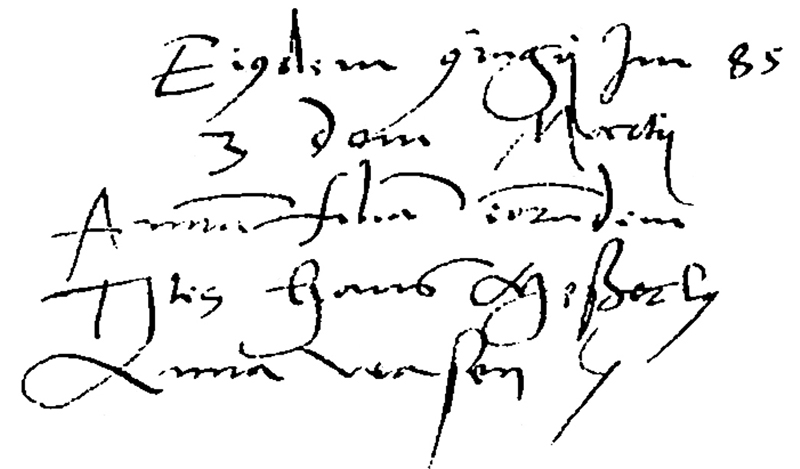
In Europe the Protestant idea that ‘every life is worth documenting’, was gaining momentum. It might be that the fire of 1532 slowed the progress down a bit in Rüeggisberg, but in 1581 they were ready to roll. The church started to record the baptismal information, deaths and marriages of their members. My husband’s family was not only recorded in the first book, but on the second page. Their place of origin; Rüeggisberg was established.
The Place of Origin is Earned
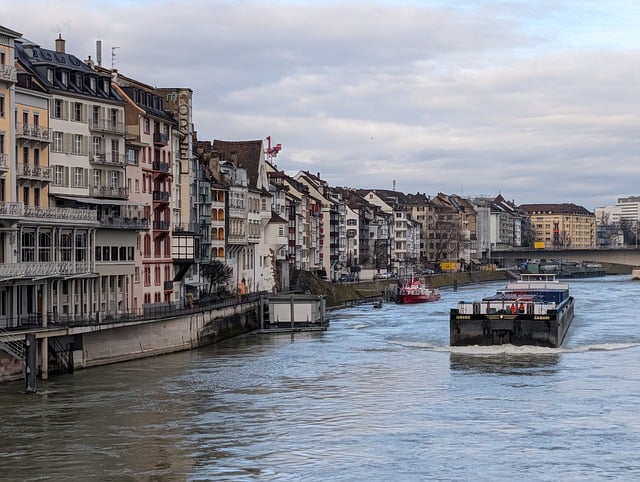
Not everyone living in Switzerland is Swiss. Some families come to Switzerland, love it and want to become Swiss. That’s what happened to Ben’s grandparents. They moved from one side of the Lake of Constance to Basel. And in 1924 they were ready to leave Germany behind and become Swiss.
Obtaining a Swiss passport was a gatekeeper-heavy process. Post WWI there was a rise in fears of ‘over-foreignization’ in Switzerland. This atmosphere didn’t foster ‘easier’ processes for foreigners. You had to apply for citizenship which often led to more scrutiny of applicants, especially those from neighboring countries.
There were a lot of hoops they had to jump through. Firstly they had to reside in Switzerland. Then they had to apply for naturalization through local authorities. These local authorities had significant leeway to decide who they would accept as a new member of their community. They assessed the applicant’s character, financial stability, level of assimilation and in general, how they fit into the community. They had the power to make or break an application.
But the fact that Ben’s grandparents managed to obtain Swiss citizenship in 1924 is a testament to their perseverance. It is also certain that they had clearly established themselves in the eyes of the Basel community. Their municipal citizenship was granted by the city of Basel and with that, their place of origin. Then cantonal and federal Swiss citizenship was a piece of cake after that.
In spite of that, was neither a simple nor quick endeavor. My husband’s grandparents earned their place of origin; city of Basel and Swiss citizenship.
The Place of Origin Evolved
Not even 60 years later, in 1980, I was waiting at the same gate and things were very different. It was an exciting time. First, there was a lot of background noise; women’s rights and gender equality was moving along. It had been ‘a man’s world’ but women had their foot in the door.
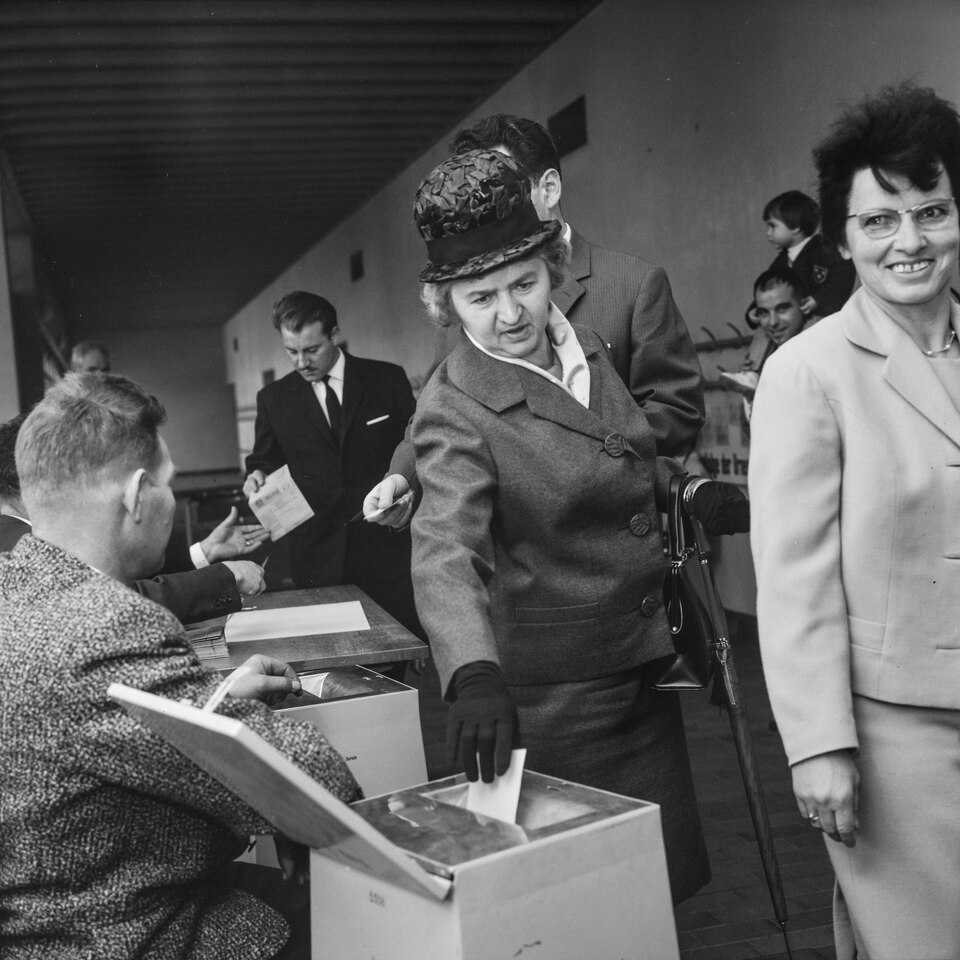
For example, Swiss women finally won the right to vote and stand for election at the federal level in 1971. Cantonal and communal levels voting rights didn’t happen at once; the earliest was in 1959 in three French-speaking cantons. In 1966 the canton of the city of Basel allowed their women to vote. The last hold-out was the canton of Innerrhoden. That was in 1990 when the Swiss Federal Supreme Court forced them to let women vote. Really? 1990? Forced? Amazing. What were those men afraid of?
Another moving target is the surname of married women. In 1980 I was allowed to hyphenate my maiden name onto my husband’s surname. That’s what’s called the ‘Alliance Name’, a sort of safety valve that allowed women to keep their identity visible. In 2013 that changed with the Equality Reform which abolished the double name. It said you can either choose one of your surnames for the family name or each keep your own. End of discussion. As of this year after lots of pressure, basically anything is legal. Time to get creative, I guess. And yes, Switzerland is not the fastest on the political front.
My Swiss Passport, 1980
I know, I got lucky. Very lucky. Most of all with my husband of 46 years, honestly, you just can’t get better than that. But I’m getting off-subject here.
I had absolutely no hoops that I had to jump through, I didn’t even have to do a pirouette. We got married in the States on a Saturday. The following Monday we were at the Swiss embassy in Washington DC watching an employee there handwrite my passport. He wrote my new double surname with a hyphen and my new place of origin: City of Basel.
When we flew back to Switzerland two days later, I went through customs as a Swiss citizen with my Swiss passport. I was and still am Swiss.
Place of Origin has Evolved
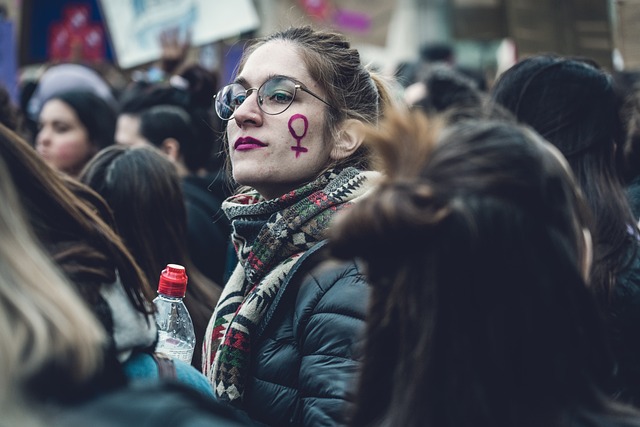
Like I said before, I came into this story in 1980, riding the cusp of the modern tradition. Everything was changing but not everything had changed. Something that hadn’t changed yet but certainly worked to my advantage was the fact that I became Swiss when I got married. Marrying a Swiss man made me Swiss.
Automatically becoming Swiss was one of the things that has changed. When a non-Swiss woman married a Swiss man she automatically became Swiss, me, for example. On the other hand, a non-Swiss man marrying a Swiss woman, was another story. She had to fight and scratch to make sure that she didn’t lose her Swiss citizenship. Inequality pure. This was addressed and things changed in 2013. Instead of giving a man the Swiss citizenship when marrying a Swiss woman no one gets it automatically. I squeaked through.
Switzerland is moving slowly, slowly away from the historically patriarchal system. Things are evolving. In 2011 a Swiss law was amended so that a woman’s place of origin is independent of her husband’s. I’m not really sure if that was necessary or not. Honestly, since the mid 20th century its practical functions have been fully superseded by modern federal and cantonal systems. But I guess Switzerland just wanted to give things a good shake-up.
We’ve evolved from a time when your place of origin was your life-support system in times of bankruptcy or disaster. Now it is a beautiful, archaic link to our ancestors that reminds us of where our Swiss heritage lies.
For most Swiss it’s a way to say ‘This is where my people are from.’ even if you have never lived there.
 -
- -
-