
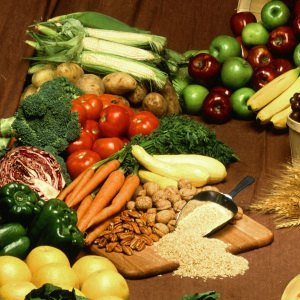
It’s beautiful in the Spring when everything is blooming and growing. It makes me, and frankly a lot of people, eager to get out there and plant things. I love harvesting and eating homegrown fruits, vegetables and even herbs. You’ve got to admit it, homegrown always tastes better, always.
Schrebergarten
What about people who live in big cities, do they have an urge to get out there and plant? I have a hunch the answer is yes, they do. But where can they go? To their ‘schrebergarten’ of course.
I had never seen, let alone heard of a ‘schrebergarten’ when I lived in the States. I now know it’s known as a community garden, in British English it’s often called an allotment garden. It’s a plot of land available for individual, non-commercial gardening. There are so many in Switzerland.
Something that is common, usually has a handful of names and ‘Schrebergarten’ is no exception to this rule. In German a ‘schrebergarten’ is also known as ‘Kleingarten’ [small garden], ‘Heimgarten’ [home garden], or ‘Familiengarten’ [family garden]. There’s a host of other names used that I can’t even translate like ‘Bünt’, ‘Pünt’ or ‘Beunde’. But you get the idea.
The concept of small, individual gardens have been around quite some time. In the United Kingdom a 1732 engraving of Birmingham shows the town encircled by allotments. It is believed that in Russia the first community gardens called ‘Dacha’ began appearing even earlier; during the reign of Peter the Great (1682 – 1725).
Why is it called a ‘schrebergarten’? Who or what is a ‘Schreber’? Actually, ‘Schreber’ is a person. A doctor from Liepzig, Germany; Daniel Gottlob Moritz Schreber. Moritz Schreber died in 1861, but not before he had inspired a ‘new’ concept. He wanted to use small gardens to promote physical exercise for children and keep them busy growing things. He believed that exercise would produce a healthy body and soul. But I’m not here to chat about Dr. Schreber.
Modest Beginnings
In German speaking countries the idea of community gardens started popping up with the help of Dr. Schreber, during the industrialization in the 19th century. The government, churches or employers provided open spaces for the purpose of people growing their own food. During difficult socio-economic situations adults overtook these gardens and they became essential for survival. Because of this they were originally called ‘gardens of the poor’.
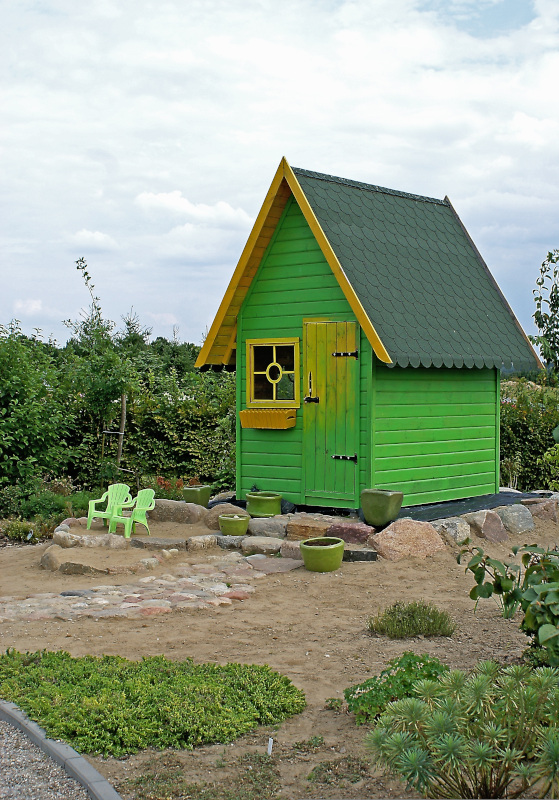
More than a century later community gardens are still going strong but are no longer ‘gardens of the poor’. They are a concept, a goal, a way of life. Often accompanied with a rather luxurious tool shed/garden house people find peace and relaxation there. They are now used for all kinds of purposes: gardening, parties, barbeques or family gatherings to name a few.
People who are attracted to community gardens usually live in a city. This is their small retreat into the country. Lucky for my husband and myself, we live in the country and don’t need a community garden. We grow food in our own backyard. I have always liked to eat, so it’s cool to have homegrown stuff.
The Backyard
As new owners of a backyard we did the best we could. A quince tree? What in the world do you do with quince?? In my post called ‘Strange Fruits in Switzerland’ I muse about our quince and plum [Zwetchen] trees. Sadly we had to fell the quince tree but it didn’t take long, now we have a pear tree. It bloomed like crazy this Spring. I hope that it will produce a few pears this summer. We also have berries (raspberries, blueberries, blackberries) and a Redcurrant bush growing in our yard. To keep everything fresh longer, we have a freezer in the basement. Since very early Spring we have been growing salad too.
I’d like to think that I’m getting knowledgeable about growing fruits and vegetables, but no. Up to now I think I’ve had just plain dumb luck. There is so much to learn.
Among other things, due to the fact of not getting out very much lately, we have a subscription for fresh vegetables to supplement what we grow.
Farm Vegetables
I am very much aware that I am a neophyte when it comes to food. I tend to buy and eat what I know. A local farm delivers a mix of vegetables weekly. The first week we got primarily root vegetables. Vegetables that grow underground: carrots, potatoes and the like. It was daunting cooking what looked somewhat like carrots but weren’t. I later found out it was parsnip. Then there was the dark hairy carrot-like vegetables a week later. I’ve still no idea what that was.
The fun hasn’t ended. This week we got something that looked like dill but didn’t smell like it. The bottom part looked like fennel but was way too small. Now how and which parts of that do you eat? It reminded me of a horror story I once heard about the potato when they were first introduced to Europe.
The Potato
A shipload of potatoes was transported from America to Europe. This new food was destined for a King. The potatoes, after being transported for so long had grown eyes or shoots and many had turned green.
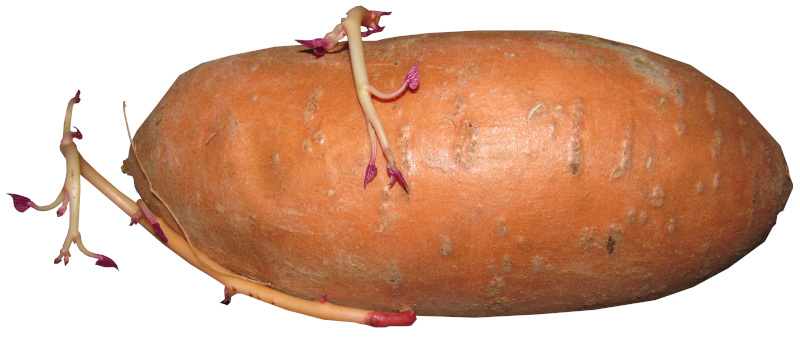
The King’s cooks, having never seen potatoes before had no knowledge how to cook them. They took the somewhat green potatoes with the sprouts and did the best they could. They presented the final product and to the King’s taster. After eating it the taster quickly got all sorts of nasty symptoms: vomiting, abdominal pain and distressed breathing and the nastiest of symptoms he died shortly thereafter. The cook was killed for trying to poison the King. Lesson learned; you should only eat the vegetables you know how to prepare correctly. Or maybe the lesson is; it is dangerous being a King’s cook. Either way it could be detrimental to your health.
Now, back to my unidentified vegetable. I can simply hope that the farm only sends completely fresh and totally eatable food. And no, I still don’t know what it was. We steamed it, added some spices and ate it and we didn’t die from it! I wonder what mystery-vegetable we will get next week.
 -
- -
-