
I’ve already talked about idioms around horses and some wild animals. This is going to be about more wild animals. Enjoy the sayings about deer, rabbits, foxes, rams and rodents.
Deer
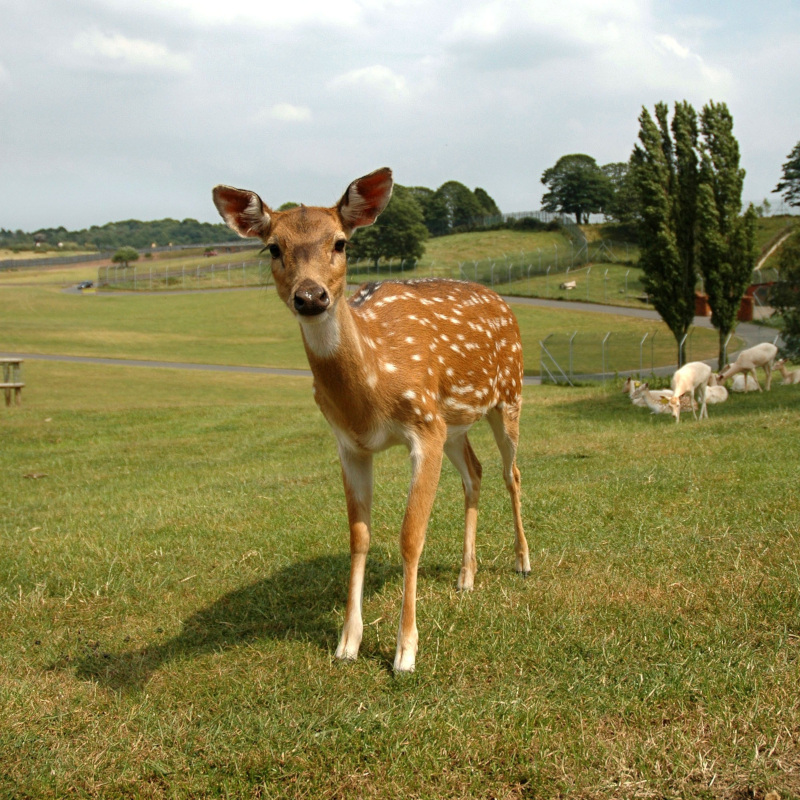
Fühlt sich wie ein junges Reh. Direct translation: one feels like a young deer.
Do you know what a young deer is called in English? It could be called a fawn, calf or kid. ‘Kid’ in English slang means child. Someone could very well say they feel like a kid. Thinking they are talking about a child when they are actually saying they feel like a young deer. But who cares, what both are saying is that they feel and move a lot younger than they actually are.
Rabbits, Hares and Foxes
Da liegt der Hase im Pfeffer. Direct translation: there lies the hare in pepper.
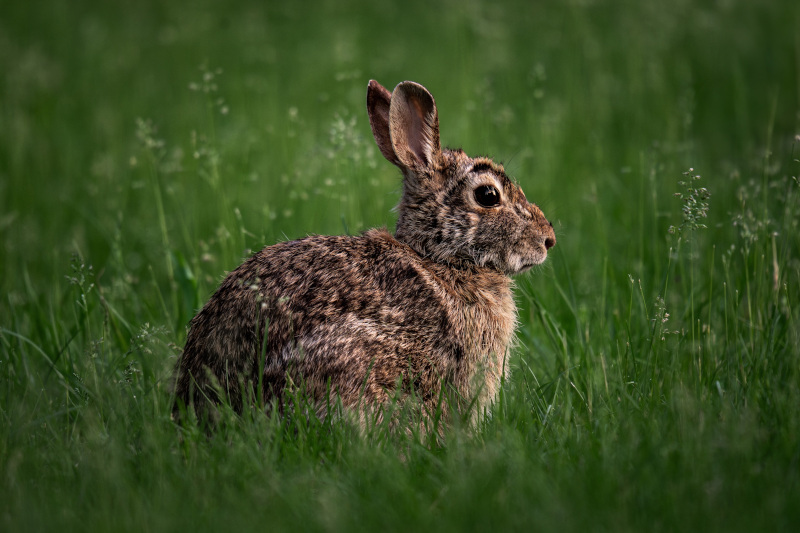
In English you might say something like ‘ therein lies the rub’. Which, incidentally, is a misquotation from Shakespeare’s Hamlet: ‘ay. there’s the rub‘. Both mean ‘there’s the problem!’ So, it looks like a hare in a pepper sauce is not a good thing. There’s the root to your problem. Now all you have to do is solve it.
Wie Kungle vermehren. Direct translation: to reproduce like rabbits.
Okay, rabbits can have up to 5 litters per year and each time can produce 12-13 bunnies. You do the math. One healthy mama can produce a lot of offspring.
Wo sich Fuchs und Hase gute Nacht sagen. Direct translation: where the fox and rabbit say good night to each other.
Foxes don’t say ‘good night’ to rabbits, they would probably say ‘dinner time!’ What is meant here is if you are in a place where this happens you are far, far away from civilization. No, in English you wouldn’t say anything similar.
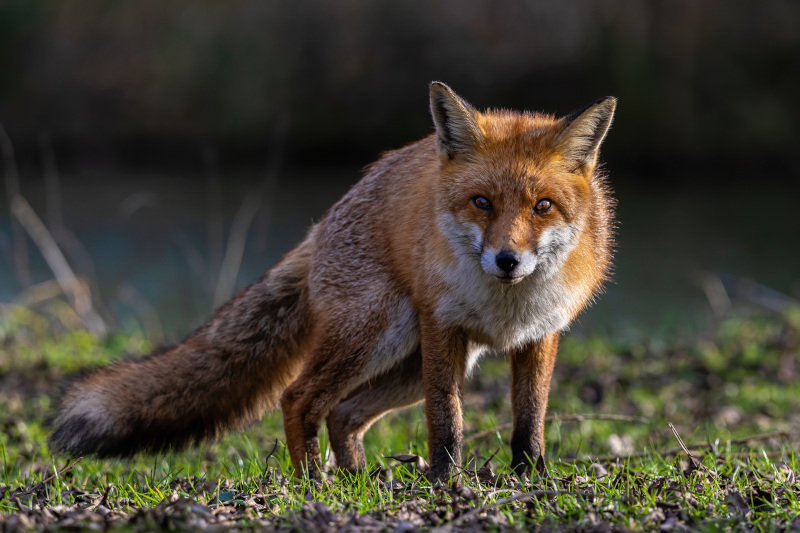
Schlau wie ein fuchs. Direct translation: smart as a fox.
Well, yes. Predatory animals like foxes are smart. They have to be because they are smaller than coyotes and wolves. In order to survive and reproduce they have to ‘out-fox’ their competitors. On the other hand, a ‘foxy lady’ is someone who is both cunning and beautiful.
Ram
Kein Boch. Direct translation: no ram.
If you told someone in English that you had ‘no RAM’, they might think your computer was broken. When someone has ‘no ram’ to do something, they aren’t interested in doing it. Period. End of discussion. There is probably no way you are going to get them to do it either.
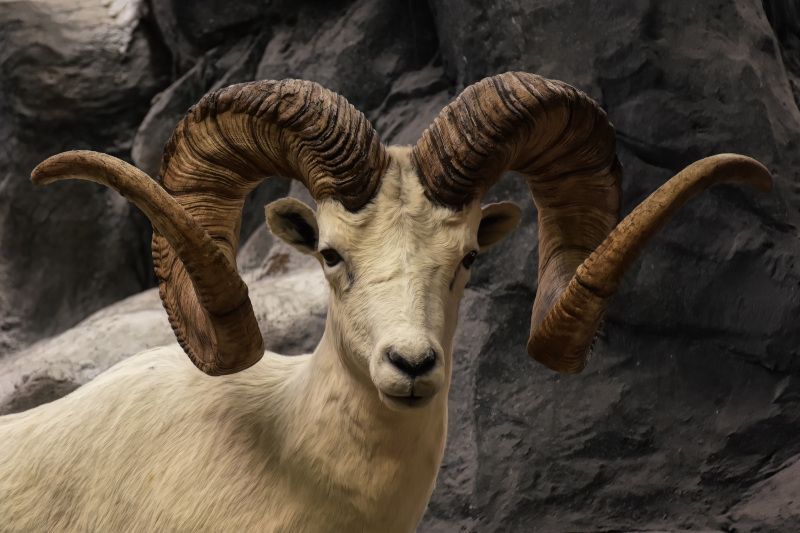
Sich die Hörner abstossen. Direct translation: you have to push off the horns.
The English saying would be to sow one’s wild oats. I’m not sure which animal the German saying refers to but it doesn’t really matter. It just means to become calmer due to life’s experiences. It’s usually used in the context of youth and love.
Rodents
Bleibe im Hamsterrad. Direct translation: stay in the hamster wheel.
The only thing faintly similar in English I could think of was ‘rat race’. A rat race is a competitive way of life. It is not the least bit similar to the message the German saying makes. Okay, the only real similarity is that both deal with rodents. The German saying means you can work as hard as you want and not get anywhere. Rodents don’t have it very good, do they.
Die Ratten verlassen das sinkende Schiff. Direct translation: the rats are leaving the sinking ship.
I’ve never heard this used in English but I’m sure everyone would understand what is meant. The unreliable are leaving people in misfortune to fend for themselves.
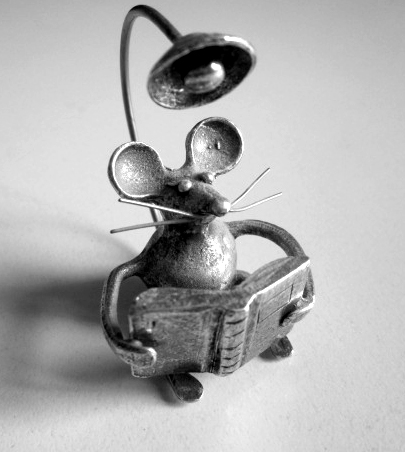
Leseratte. Direct translation: reading rats.
A reading rat is someone who loves to read. Finally something faintly positive about rodents. English speakers don’t understand ‘reading rats’, we have ‘bookworms’ which is not especially warm and cuddly either. In fact, I believe it is also used in German: Bücherworm.
 -
- -
-